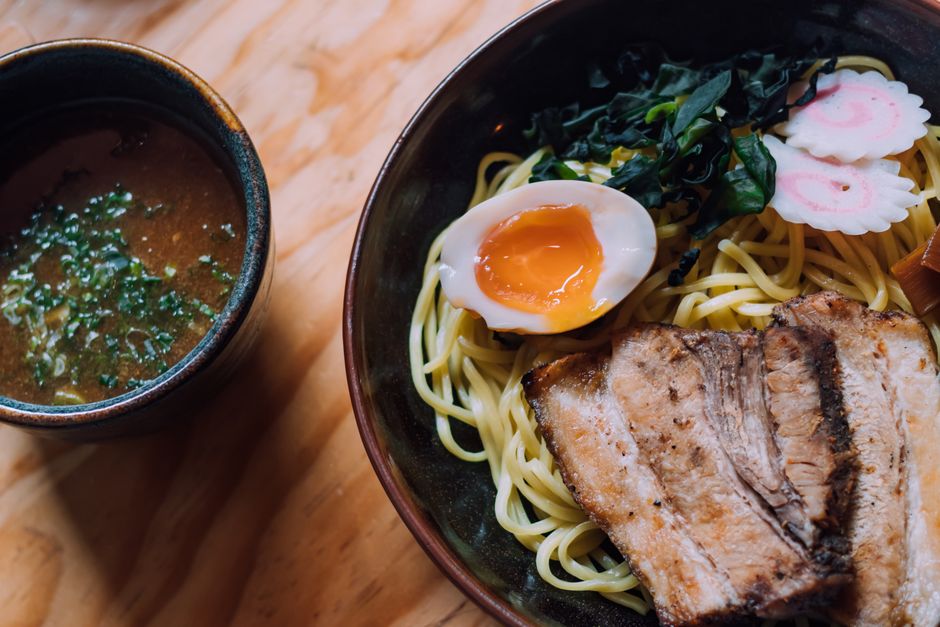
Miso Ramen
About This Recipe
Miso Ramen is a hard Japanese dish that brings authentic flavors and traditional cooking techniques to your kitchen. Perfect for lunch, this dish combines carefully selected ingredients with time-tested preparation methods to create a truly memorable dining experience. Whether you're an experienced home cook or just starting your culinary journey, this recipe provides clear guidance and helpful tips to ensure success every time you prepare it. This gluten-free recipe caters to specific dietary needs without compromising on taste or satisfaction. The art of preparing miso ramen has been refined over generations, with each cook adding their own personal touch while respecting the fundamental techniques that make this dish so beloved.
This miso ramen recipe requires 30 minutes of preparation time and 120 minutes of cooking time, making the total time investment approximately 150 minutes. The recipe yields 4 generous servings perfect for an intimate meal. This advanced recipe challenges skilled home cooks with sophisticated techniques and precise timing, delivering restaurant-quality results that showcase your culinary expertise. The complexity of this dish is what makes it special, transforming simple ingredients into something truly extraordinary.
The foundation of exceptional miso ramen begins with selecting quality ingredients. This recipe calls for 8 carefully chosen components that work harmoniously together. Ramen noodles, Pork belly, Miso paste form the essential base of this dish, providing the primary flavors and structural foundation. Asian ingredients like soy sauce, ginger, and aromatic spices contribute depth and complexity to every bite. The careful balance of salty, sweet, sour, and umami flavors is essential to authentic Asian cooking. When shopping for ingredients, look for the freshest produce and highest quality proteins to ensure the best results. Seasonal ingredients often provide superior flavor and nutritional value.
The cooking process for miso ramen follows 5 essential steps, each designed to build flavor and achieve the perfect texture. Precision and careful execution of advanced techniques are key to achieving professional-level results. Read through the entire recipe before starting to understand how each step contributes to the final dish. Extended cooking time develops deep, complex flavors as ingredients slowly transform and infuse together. Low and slow cooking breaks down tough fibers and allows flavors to concentrate and intensify. The process begins with make rich stock. this first step establishes the foundation for the entire dish. take your time here, as the quality of your preparation at this stage directly affects the final result., establishing the foundation for all subsequent steps. This initial step is crucial for setting up the flavors that will develop throughout the cooking process. The final steps bring everything together, allowing you to adjust seasoning and presentation for optimal results.
This recipe makes 4 servings, perfect for a family meal with enough for everyone to enjoy. Consider doubling the recipe if you want leftovers for lunch or to freeze for future meals. Family-style serving encourages everyone to gather around the table and share in the experience. Each serving contains approximately 685 calories, 38g of protein, 68g of carbohydrates, and 28g of fat, making it a hearty, indulgent dish perfect for special occasions or when you need extra fuel. Sometimes we need comfort food that truly satisfies. This recipe can be adapted to accommodate various dietary preferences and restrictions. Feel free to make substitutions that work for your nutritional needs.
For best results, prepare your ingredients in advance (mise en place) to ensure smooth cooking without interruptions. Professional chefs always prepare this way, and it makes a significant difference in the cooking experience. Precise timing and temperature control are essential – use a kitchen timer and thermometer for best results. Investing in quality kitchen tools will elevate your cooking significantly. Serve over steamed rice or noodles to create a complete, satisfying meal. The neutral base allows the flavors of the main dish to shine.
Japanese cuisine has a rich culinary heritage that spans centuries, with each dish telling a story of cultural exchange, local ingredients, and generational knowledge. Miso Ramen represents a beloved tradition within this culinary landscape, bringing together flavors and techniques that have been perfected over time. Understanding the background of the food we prepare deepens our appreciation and connection to the cooking process. Whether you are continuing a family tradition or exploring new culinary territory, preparing miso ramen connects you to a broader community of food lovers who share your passion.
If you have leftovers, miso ramen stores well in an airtight container in the refrigerator for up to three to four days. When reheating, use gentle heat to preserve the texture and flavor of the original dish. Slow-cooked dishes like this often improve with time as the flavors continue to meld and develop. For longer storage, many components of this dish can be frozen for up to three months. Proper storage and reheating techniques ensure that your leftovers are just as delicious as the freshly prepared original.
Making miso ramen at home is a rewarding experience that allows you to control ingredients, customize flavors, and share the joy of cooking with those you love. This recipe provides a reliable foundation that you can build upon as you develop your own variations and personal touches. We encourage you to experiment, take notes on what works for you, and make this recipe your own. Happy cooking, and we hope this miso ramen becomes a favorite in your recipe collection!
Ingredients
- ramen noodles
- pork belly
- miso paste
- chicken stock
- eggs
- corn
- bamboo shoots
- nori
Instructions
- Make rich stock. This first step establishes the foundation for the entire dish. Take your time here, as the quality of your preparation at this stage directly affects the final result.
- Braise pork belly. Pay careful attention to visual and aromatic cues at this stage — color, texture, and smell indicate when to move to the next step.
- Make miso tare. Pay careful attention to visual and aromatic cues at this stage — color, texture, and smell indicate when to move to the next step.
- Cook noodles. Apply heat steadily and monitor closely, watching for visual and aromatic cues that indicate proper doneness.
- Assemble with toppings. Arrange finishing ingredients in an even, appealing pattern for contrasting textures and complementary flavors.
Nutrition Information
Per serving:
More Recipes from UniversalRecipes
Discover over 700 delicious recipes from cuisines around the world. Whether you're looking for quick weeknight dinners, healthy meal prep ideas, or impressive dishes for special occasions, UniversalRecipes has you covered.